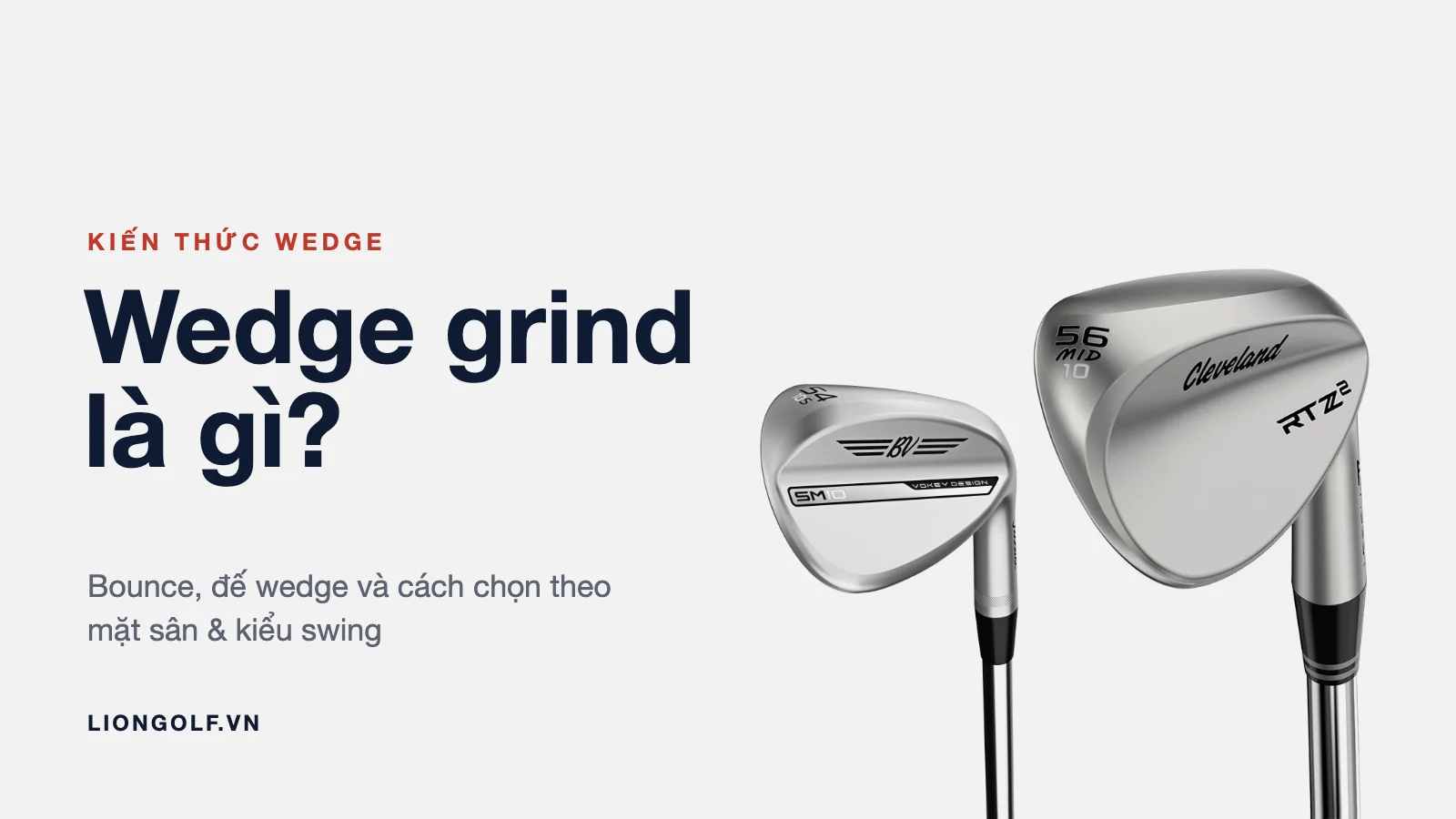
Wedge grind is the way the sole of a wedge is shaped – and it decides whether the club glides smoothly across the ground or digs in at impact. On the very same 56° wedge, changing the grind and bounce can completely change how chips, pitches and bunker shots feel.
This guide explains what grind and bounce are, how wedge grind affects each shot around the green, how to read the grind codes on Titleist Vokey, Cleveland and Mizuno wedges, and how to choose a wedge grind for your turf and swing. At the end you will find the wedges available at LionGolf.
What is a wedge grind?
The sole is the underside of the clubhead – the part that meets grass, dirt and sand. Grind is the shaping of that sole: removing material from the heel, toe or trailing edge, and changing the width and curvature of the sole. That shape decides how the head travels through the turf: gliding smoothly, or digging in and getting stuck.
When you choose a wedge you usually hear about three specs: loft (face angle), bounce (sole angle) and grind (sole shape). Loft decides how high the ball flies; bounce and grind decide how the head interacts with the turf.
Wedge bounce, grind and sole width: a quick glossary
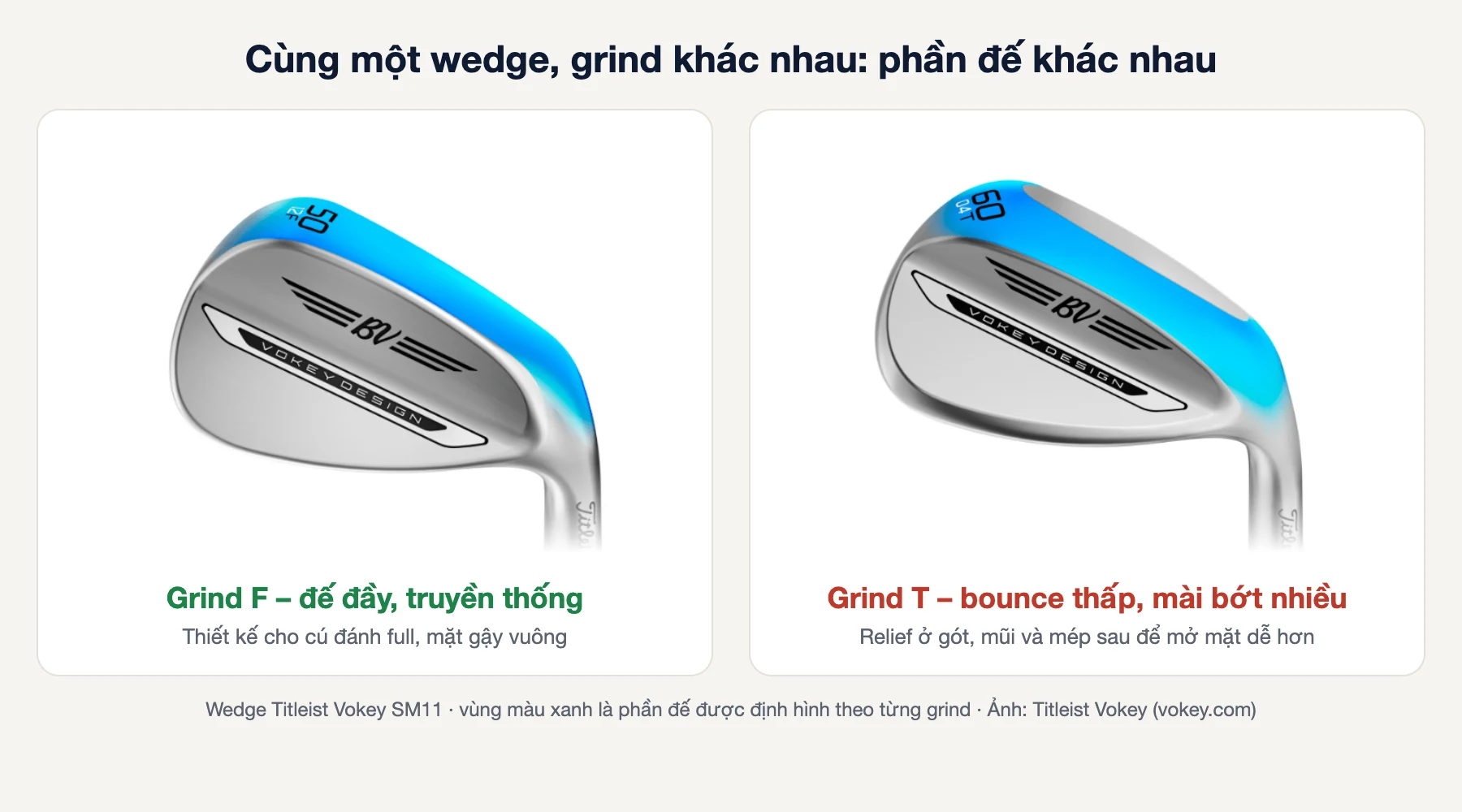
- Bounce: the angle between the leading edge and the lowest point of the sole. The higher the bounce, the higher the leading edge sits off the ground and the more the sole “props up” the head, reducing digging. Lower bounce keeps the leading edge closer to the ground.
- Sole width: a wider sole is more stable and digs less in sand and thick grass; a narrower sole is more versatile and feels faster through the turf.
- Relief: material ground away at the heel, toe or trailing edge. It lets the sole stay close to the ground when you open the face instead of being lifted off it.
- Camber: a more curved sole from heel to toe helps the head move through turf more smoothly with the face open or closed.
In short: bounce is a single number, while grind is the whole shape of the sole. Two wedges with the same bounce can still feel very different if their grinds differ.
How does wedge grind affect your shots?
There is no single “best” wedge grind for everyone. These four factors decide which grind suits you.
1. Soft or firm turf
Soft turf, thick grass or soft sand calls for higher bounce and a wider sole so the head doesn’t dig in. On firm turf or tight lies, lower bounce lets the leading edge reach the ball first for cleaner contact, instead of the sole bouncing off the ground before it gets to the ball.
2. Your angle of attack
Golfers with a steep swing who take deep divots usually do better with higher bounce so the head doesn’t dig. Golfers with a shallow, sweeping swing usually prefer lower bounce so the head slides under the ball instead of bouncing.
3. The type of shot
Full shots with a square face need little relief. Chips, pitches, flops and any shot with the face open call for a grind with relief at the heel, toe and trailing edge so the sole stays low when the face is open. A wide sole helps in bunkers and thick grass.
4. Habit and feel
Golfers tend to build habits around the sole they play. Switching to a new grind can take a few sessions to get used to – which is why you should test it or get fitted before you buy.
| Your situation | What to look for | Why |
|---|---|---|
| Soft turf, thick grass, soft bunker sand | High bounce, wide sole | The sole supports the head and limits digging |
| Firm turf, tight lies | Low bounce, narrow sole or plenty of relief | Leading edge stays close to the ground for clean contact |
| Steep swing, deep divots | Mid to high bounce | The head is less likely to dig |
| Shallow, sweeping swing | Low to mid bounce | The head slides under the ball with less bounce |
| Often opening the face (flops, soft chips) | A grind with lots of relief (Vokey T, Cleveland LOW, Mizuno X) | The sole stays low with the face open |
| Mostly full shots with a square face | A traditional grind with little relief (Vokey F, Mizuno S) | Stable on full shots |
Low, mid and high bounce: how many degrees is right?
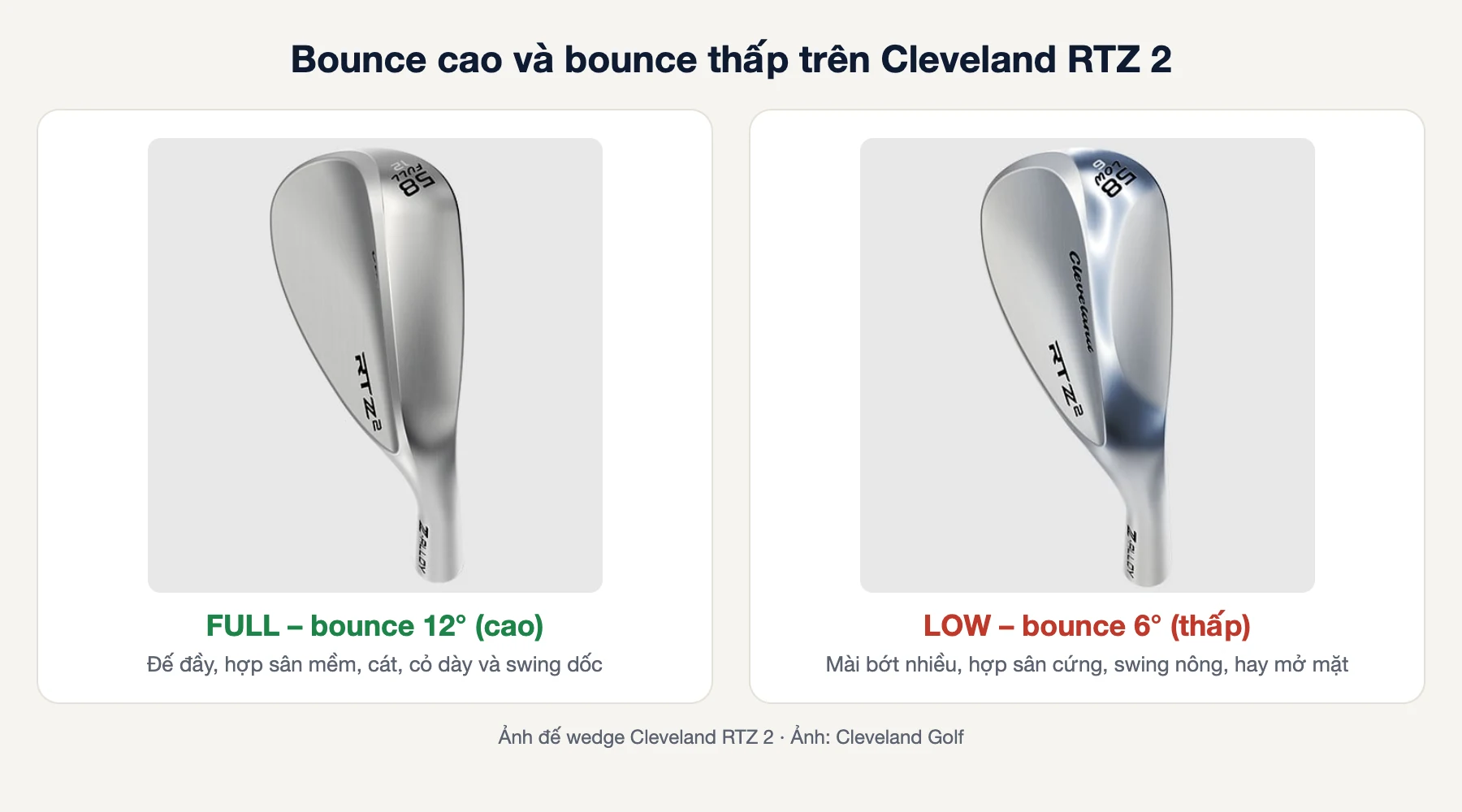
Brands usually split bounce into three groups: low (around 4–6°), mid (around 7–10°) and high (around 11° and up). This is only a general convention – it varies by brand and loft, and two wedges with the same bounce but different grinds can still feel different.
For example, the Cleveland RTZ 2 offers LOW at 6°, 588 and ADAPT at 8°, MID at 10° and FULL at 12° – you can see the whole low-to-high range within a single line.
| Bounce group | Rough range | Usually suits |
|---|---|---|
| Low | ≈ 4–6° | Firm turf, tight lies, shallow swings, open-face shots |
| Mid | ≈ 7–10° | All-round – fits most golfers and conditions |
| High | ≈ 11° and up | Soft turf, soft sand, thick grass, steep swings |
A popular way to build the set: a low-bounce lob wedge that is easy to open, combined with mid- to high-bounce gap and sand wedges for stability on full shots and in bunkers.
Popular wedge grinds by brand
Every brand names and designs its wedge grinds differently, so they cannot be converted one-to-one: Titleist’s T grind is not exactly the same as Callaway’s or PING’s T grind. Not every loft comes in every grind either – check the loft you need.
Titleist Vokey: T, M, S, D, F, K grinds
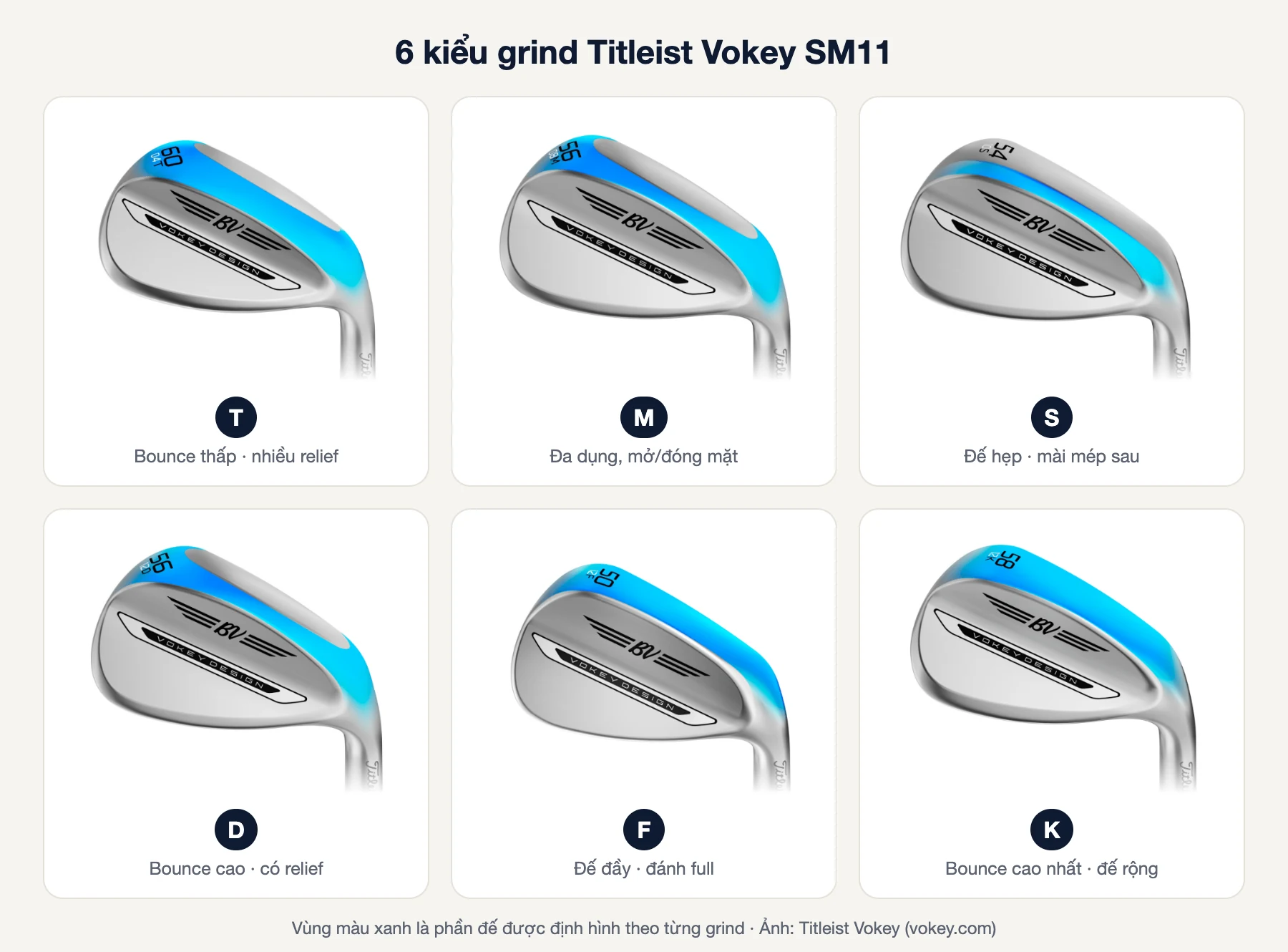
The Vokey SM10 comes in six grinds – T, M, S, D, F and K – to cover different swings and course conditions.
| Grind | Character | Suits |
|---|---|---|
| T | Low bounce, narrow sole, plenty of heel, toe and trailing-edge relief | Creative shot-makers who open the face a lot, firm turf |
| M | Versatile, works with the face open or closed | Shallow, sweeping swings; many shot types around the green |
| S | Narrow sole, trailing-edge grind, quick feel through the turf | Neutral to firm turf; players who control loft with hand position |
| D | High bounce with heel, toe and trailing-edge relief | Steeper swings that want forgiveness but still some versatility |
| F | Traditional sole designed for full shots | Players who like a square face and mostly hit full shots |
| K | Highest bounce, wide sole, extra camber | Soft sand, thick grass, bunkers |
Cleveland RTZ 2: MID, FULL, LOW, 588, ADAPT grinds
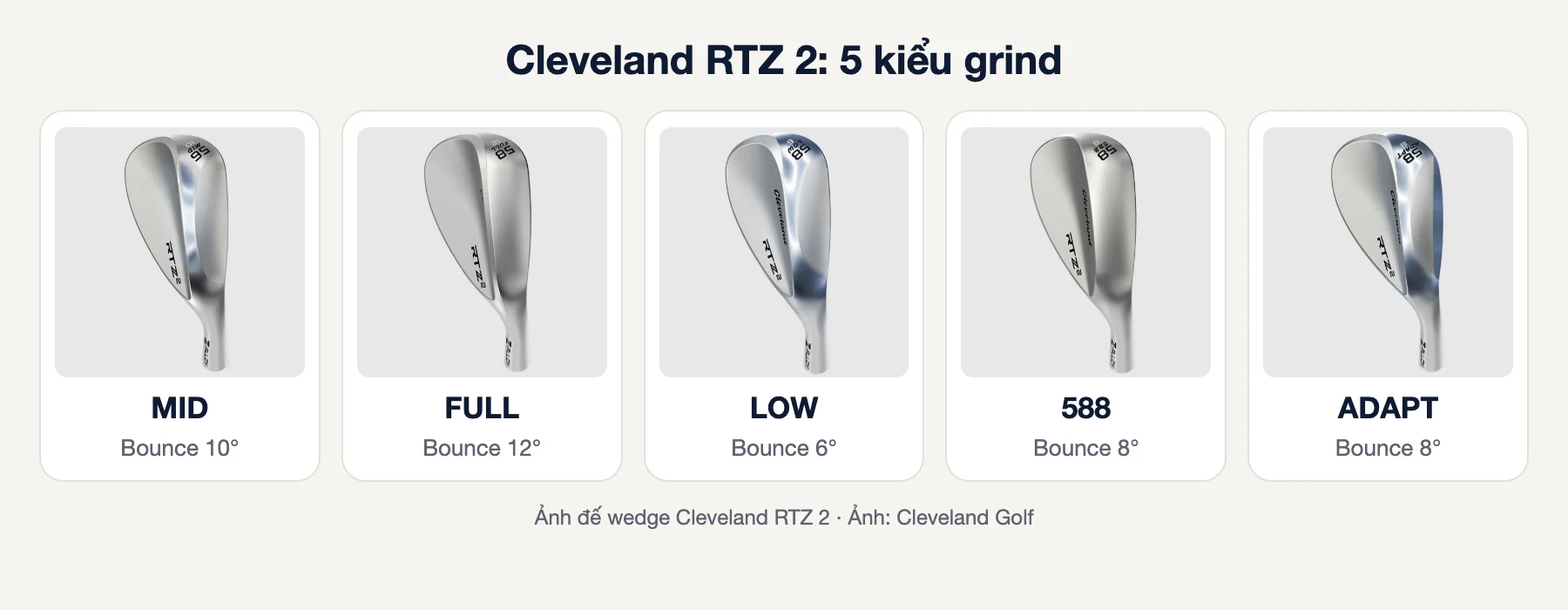
| Grind | Bounce | Lofts | Character |
|---|---|---|---|
| MID | 10° | 46°–60° | All-round, suits most swings and conditions |
| FULL | 12° | 54°–60° | High bounce for sand, thick grass, soft turf and steep swings |
| LOW | 6° | 58°–62° | Versatile, for skilled golfers, firm turf and shallow swings |
| 588 | 8° | 54°–60° | Inspired by the legendary 588 wedge – versatile and easy to hit |
| ADAPT | 8° | 54°–60°, 64° | Full-face grooves, for skilled golfers and refined open-face shots |
Mizuno Pro T-1 and T-3: S, M, P, C, V, X soles
- S: built for full shots, with a straight bevel.
- M: more bevel, with a mid level of effective bounce.
- P: more bevel, with a step higher effective bounce.
- C: a stronger C-shaped bevel that makes the face easier to open.
- V: the strongest bevel, versatile, with higher effective bounce – for steeper swings.
- X: the strongest bevel, versatile, with lower effective bounce – for shallower swings.
Other brands
PING uses the B, H, S, W, E and T grinds; Callaway has T, C, Z, S and W; TaylorMade uses LB, LBV, SB, SBC, HB and HBW. Even where a letter is shared, the specs and feel differ – check each brand’s own chart when comparing.
How to choose a wedge grind for each club in the bag
- Pitching and gap wedge (about 46°–52°): mostly full shots, so favour a stable grind with little relief and mid bounce.
- Sand wedge (about 54°–56°): used in bunkers and for chips around the green. If your bunkers and turf are usually soft, choose mid to high bounce; if the turf is firm, choose mid bounce with moderate relief.
- Lob wedge (about 58°–62°): you open the face often, so low to mid bounce with plenty of relief usually works best.
This is only general guidance. Courses in Vietnam can be soft in the rainy season and firm and dry in the dry season, and every course’s bunkers are different – so the conditions you play most often are what really matter.
Why get a wedge fitting to choose the right grind and bounce?
The right grind depends on your angle of attack, divot depth, how you open the face and the turf you play – things that are hard to judge yourself. A wedge fitting lets you compare several grinds and bounces on your own shots, instead of choosing by name or marketing.
At LionGolf, our fitters can watch your swing and how you play around the green and recommend the right configuration. Learn more about our Club fitting service.
Wedges available at LionGolf
Browse the full wedge category. Contact LionGolf for advice and stock checks.
Titleist Vokey
The Titleist Vokey Design range offers many loft, bounce and grind combinations so you can pick the right club for every shot.
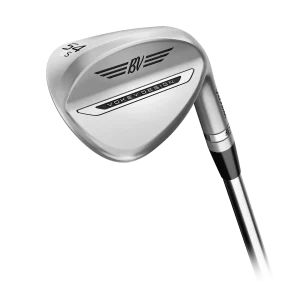 Titleist Vokey SM11
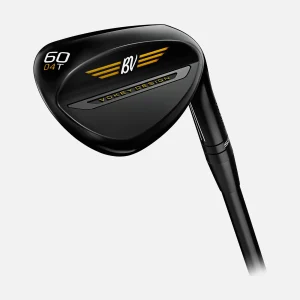 Titleist Vokey SM11 Black Vapor Flight Lines
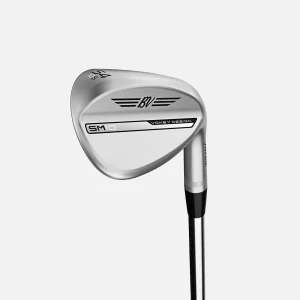 Titleist Vokey SM10
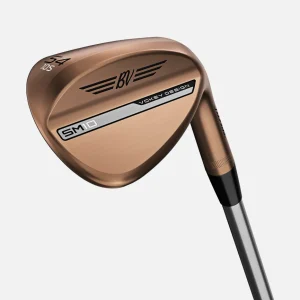 Titleist Vokey SM10 Oil Can
Cleveland Golf
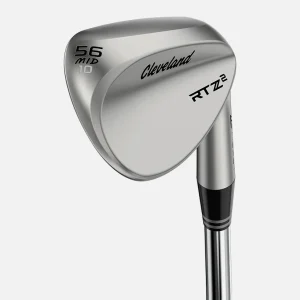
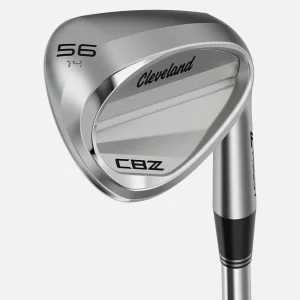
Cleveland Golf RTZ 2 with five grinds redesigned by Roger Cleveland, plus the CBZ.
Mizuno Pro
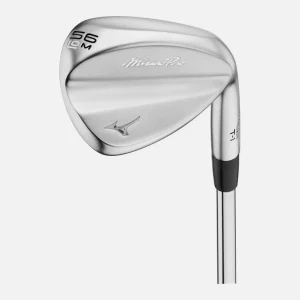
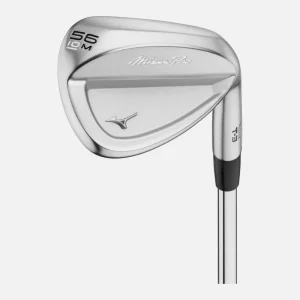
Mizuno Pro T-1 and T-3, forged with Grain Flow Forged HD in Hiroshima, with six sole options: S, M, P, C, V and X.
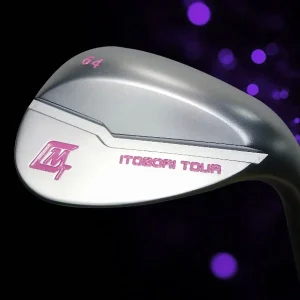
Itobori
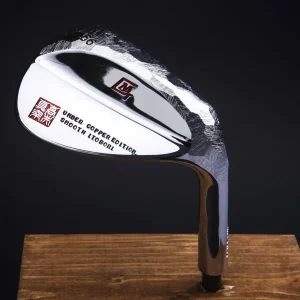
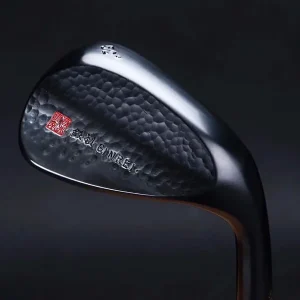
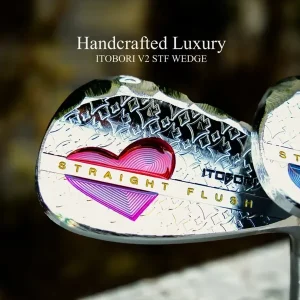
Itobori – wedges hand-forged and hand-ground in Japan with the signature One-Cut grind. These are pre-order items built to the configuration you choose, so contact LionGolf for advice on versions, shafts and lead time.
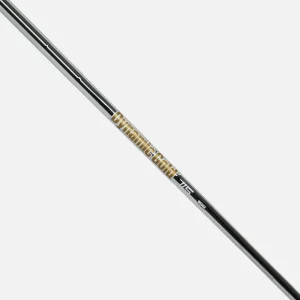
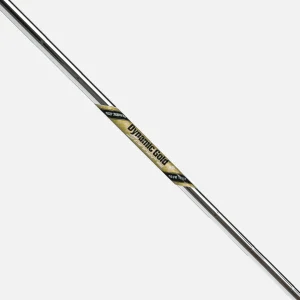
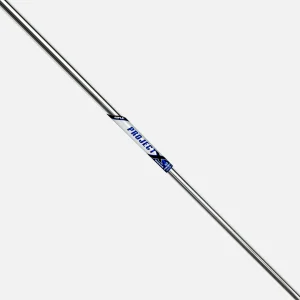
Wedge shafts
Steel shafts made for wedges to complete your build: Dynamic Gold, Project X and N.S.PRO MODUS3.
Frequently asked questions
What is the difference between wedge grind and bounce?
Bounce is the angle between the leading edge and the lowest point of the sole – a single number. Grind is the whole shape of the sole, including its width, curvature and the relief at the heel, toe and trailing edge. Two wedges with the same bounce but different grinds still feel different.
How much bounce should I choose for a sand wedge and a lob wedge?
There is no single number for everyone. If the turf and bunkers you play are usually soft, or you have a steep swing, mid to high bounce is usually more comfortable. If the turf is firm, your swing is shallow or you open the face a lot, low to mid bounce is more versatile. The most accurate way to choose is still to test and get fitted.
Can one wedge work well on every kind of turf?
All-round grinds such as the Vokey M, Cleveland MID or Mizuno M handle many situations but are not optimal for all of them. If you regularly meet both very soft and very firm conditions, talk to a fitter about a balanced setup for the whole wedge set.
Do I need several wedges with different grinds?
Not necessarily. Most golfers only need a set of wedges that suits the courses they play most and their own swing. A popular setup is a low-bounce lob wedge with mid- to high-bounce gap and sand wedges.
Which wedge grind and bounce should a beginner choose?
Beginners often have a steeper swing and take deeper divots, so mid to high bounce with an all-round or full-sole grind (such as the Vokey F or D, or the Cleveland MID or FULL) is usually easier to hit and more forgiving. Treat it as a starting point – test it or get fitted to confirm.
Where can I try and get fitted for wedges?
Visit a LionGolf store in Ho Chi Minh City or call our customer hotline 0967 543 542 for advice and to book a fitting.
Sources: wedge technical information for Titleist, Cleveland Golf and Mizuno from the product pages at LionGolf, and the article Wedge Grinds Guide by MyGolfSpy (20 Nov 2024). Content has been rewritten in our own words.